Uncategorized
Understanding Peptide Purity Testing and Why It Matters
Jun
Understanding Peptide Purity Testing and Why It Matters
Peptide purity testing is one of the most important aspects of quality assurance in scientific research. Researchers depend on accurate and consistent materials to generate reliable results, and peptide purity directly influences the integrity of laboratory studies.
As peptide-based research continues to grow, scientists are placing greater emphasis on testing standards, analytical verification, and supplier transparency. Without proper purity testing, researchers may unknowingly introduce contaminants or inconsistencies into their experiments, affecting both accuracy and reproducibility.
If you’re new to peptide research, start by reviewing our guide to Research Peptides:
https://globalpeptidesupply.org/research-peptides-guide/
What Is Peptide Purity Testing?
Peptide purity testing is the process of evaluating a peptide sample to determine the percentage of the desired peptide sequence compared to unwanted byproducts or contaminants.
During peptide synthesis, small amounts of impurities may be produced. While manufacturing technologies have improved significantly, testing remains necessary to confirm product quality before peptides are used in research settings.
Purity percentages help researchers assess whether a peptide meets the requirements of a specific study.
For laboratories purchasing products online, our guide on Buy Research Peptides Online offers additional insights:
https://globalpeptidesupply.org/buy-research-peptides-online/
Why Purity Matters in Research
Research outcomes are only as reliable as the materials used to generate them.
When impurities are present, they can:
- Influence biological responses
- Alter experimental observations
- Reduce reproducibility
- Introduce unwanted variables
- Increase research costs
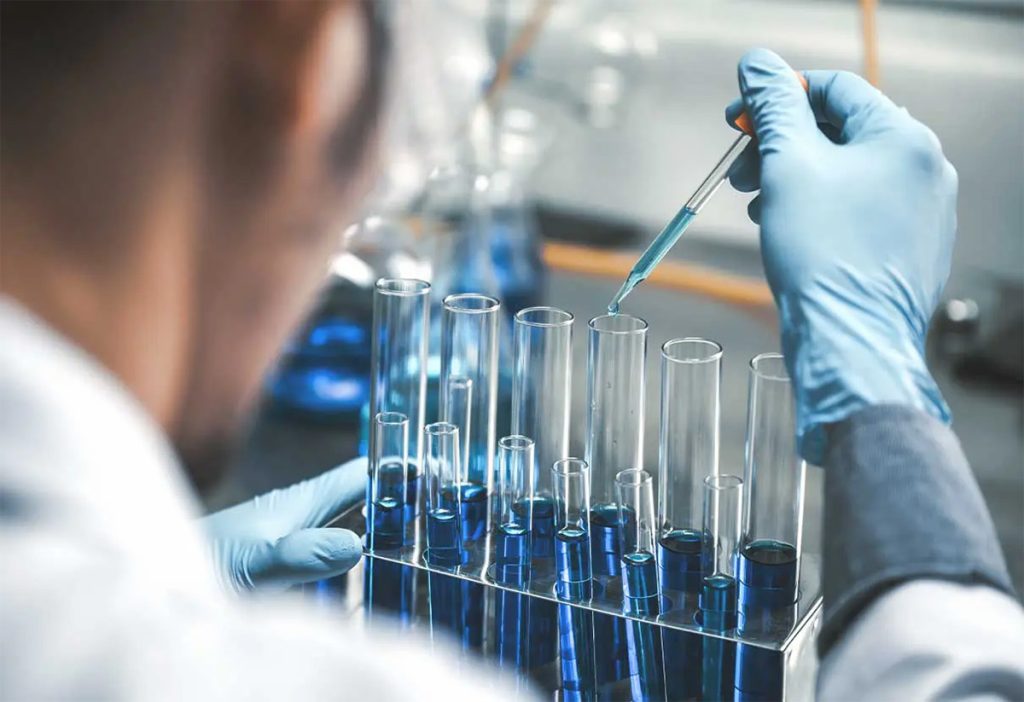
High-purity peptides help minimize these risks and support greater confidence in experimental findings.
Additionally, studies often require repeated testing over long periods. Consistent purity standards ensure researchers can compare results accurately across multiple experiments.
Researchers seeking dependable sourcing should also review our guide on selecting a Research Peptide Supplier:
https://globalpeptidesupply.org/research-peptide-supplier/
Common Methods Used in Peptide Purity Testing
Several analytical techniques are used to verify peptide purity and identity.
High-Performance Liquid Chromatography (HPLC)
HPLC is one of the most widely used methods for peptide purity testing.
This technique separates compounds within a sample and measures the percentage of the desired peptide relative to impurities.
Researchers often rely on HPLC reports to evaluate product quality before beginning experiments.
Learn more about analytical chemistry through the American Chemical Society:
https://www.acs.org/
Mass Spectrometry (MS)
Mass spectrometry confirms molecular weight and peptide identity.
By analyzing molecular structure, researchers can verify that a peptide matches its intended sequence.
When combined with HPLC, mass spectrometry provides a comprehensive quality assessment.
Additional scientific resources are available through:
https://www.ncbi.nlm.nih.gov/
Amino Acid Analysis
Some laboratories use amino acid analysis to confirm peptide composition and verify synthesis accuracy.
Although not always required, this method can provide additional validation for specialized research applications.
How to Interpret Purity Results
Researchers frequently encounter purity percentages ranging from 95% to 99% or higher.
Higher purity generally indicates fewer contaminants and greater confidence in product consistency.
When reviewing Certificates of Analysis, researchers should examine:
- Purity percentage
- Testing methodology
- Batch number
- Product identification
- Laboratory verification data
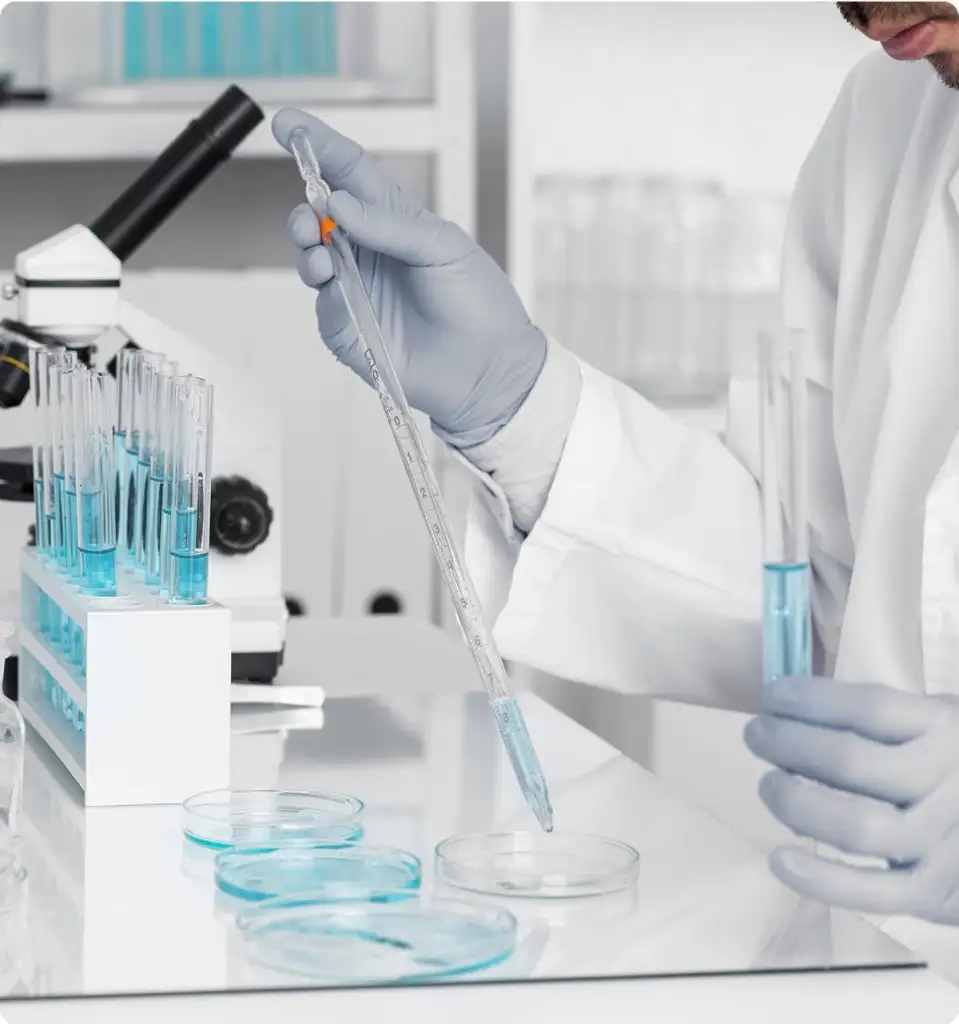
A supplier that provides transparent documentation demonstrates commitment to quality assurance.
Choosing a Supplier That Prioritizes Quality
Not all suppliers follow the same testing standards.
Researchers should prioritize suppliers that provide:
- Certificates of Analysis
- Third-party testing
- Detailed product specifications
- Transparent quality-control procedures
- Responsive customer support
Global Peptide Supply is committed to helping researchers access reliable products supported by quality documentation and transparent information.
Learn more about our company:
https://globalpeptidesupply.org/about-us/
Browse available products:
https://globalpeptidesupply.org/
Need assistance? Contact our team:
https://globalpeptidesupply.org/contact-us/
The Future of Peptide Quality Assurance
As peptide research expands, quality assurance standards continue to evolve.
Advances in analytical technology are improving the accuracy of purity testing while helping researchers obtain more reliable data.
Organizations such as the National Center for Biotechnology Information and the American Chemical Society continue to support research and education related to analytical testing and peptide science.
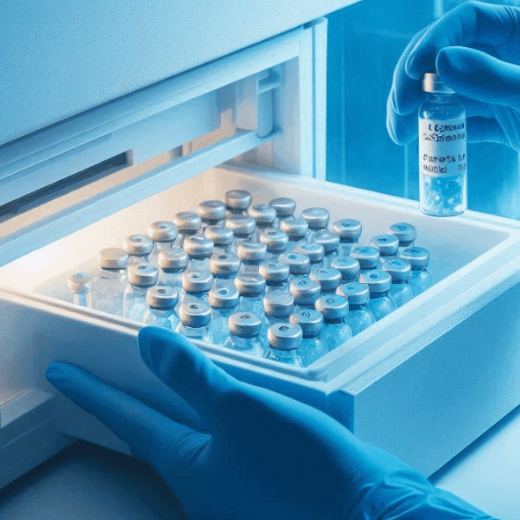
Researchers who prioritize purity verification today will be better positioned to produce consistent, reproducible results in the future.
Conclusion
Peptide purity testing is essential for maintaining research integrity and experimental reliability.
By understanding testing methods, reviewing Certificates of Analysis, and working with transparent suppliers, researchers can improve confidence in their materials and support successful scientific investigations.
Quality begins with verification, and purity testing remains one of the most important tools available for ensuring peptide consistency.
Frequently Asked Questions
What is peptide purity testing?
Peptide purity testing evaluates the percentage of the desired peptide compared to impurities within a sample.
Why is purity important?
Purity helps reduce variability and improves the reliability of experimental results.
What testing methods are commonly used?
HPLC and Mass Spectrometry are among the most widely used methods for peptide purity testing.
What should researchers look for in a Certificate of Analysis?
Researchers should review purity percentages, batch numbers, testing methods, and verification data.
How can I find a reliable peptide supplier?
Choose suppliers that provide transparent testing documentation, quality assurance information, and responsive customer support.
