Uncategorized
Research Peptides: A Complete Guide to Quality, Purity, and Reliable Research
May
Research Peptides for Sale. Research peptides have become an essential component of modern scientific studies. As interest in molecular biology, biotechnology, and pharmaceutical research continues to grow, researchers increasingly rely on high-quality research peptides to support accurate and reproducible experimental outcomes.
Understanding what research peptides are and how to evaluate their quality can help laboratories select materials that meet rigorous scientific standards. Research Peptides for Sale
What Are Research Peptides?
Research peptides are short chains of amino acids used in laboratory and scientific investigations. These compounds are synthesized to specific sequences and are utilized in a wide range of research applications involving cellular processes, receptor interactions, protein functions, and biological pathways. Research Peptides for Sale
Because research peptides are often used in highly controlled experiments, consistency and purity are critical. Even minor variations in peptide composition may influence experimental data, making quality assurance a top priority for researchers.
Why Quality Matters in Research Peptides
The quality of research peptides directly affects the reliability of scientific findings. When researchers use low-quality materials, impurities or inconsistencies can introduce unwanted variables into experiments. Research Peptides for Sale
High-quality research peptides help laboratories achieve:
- Greater experimental consistency
- Improved reproducibility
- More reliable data collection
- Reduced risk of contamination
- Better confidence in research outcomes
For these reasons, researchers should always evaluate peptide quality before making purchasing decisions.
Understanding Peptide Purity
Purity is one of the most important factors when selecting research peptides. Peptide purity refers to the percentage of the desired peptide present within a sample compared to impurities generated during synthesis. Research Peptides for Sale
Higher purity levels generally indicate that the peptide contains fewer unwanted substances that could interfere with laboratory studies. Research Peptides for Sale
Most reputable suppliers use analytical methods such as:
High-Performance Liquid Chromatography (HPLC)
HPLC is commonly used to measure peptide purity. This analytical technique separates compounds and identifies impurities, providing researchers with detailed purity data. Research Peptides for Sale
Mass Spectrometry (MS)
Mass spectrometry verifies molecular weight and helps confirm the identity of the peptide sequence.
Together, these testing methods provide valuable information regarding product quality and consistency.
The Importance of Third-Party Testing
Independent verification is becoming increasingly important in the peptide industry. Third-party testing provides an unbiased assessment of peptide quality and purity.
When suppliers offer third-party test results and Certificates of Analysis (COAs), researchers gain additional confidence that the products meet stated specifications.
A comprehensive COA may include:
- Batch number
- Purity percentage
- Analytical testing results
- Manufacturing information
- Product verification data
Transparency in testing demonstrates a commitment to quality and scientific integrity.
How to Choose a Reliable Research Peptide Supplier
Selecting a trustworthy supplier is just as important as selecting the peptide itself. Researchers should look for companies that prioritize quality assurance and transparency throughout the manufacturing process. Research Peptides for Sale
Important factors to consider include:
Quality Control Procedures
Reliable suppliers implement strict quality control standards to ensure consistency between batches.
Third-Party Verification
Independent testing provides additional assurance regarding purity and product identity.
Product Documentation
Detailed Certificates of Analysis allow researchers to review quality data before purchasing.
Customer Support
Responsive customer service can help researchers obtain important information regarding product specifications, storage recommendations, and testing procedures. Research Peptides for Sale
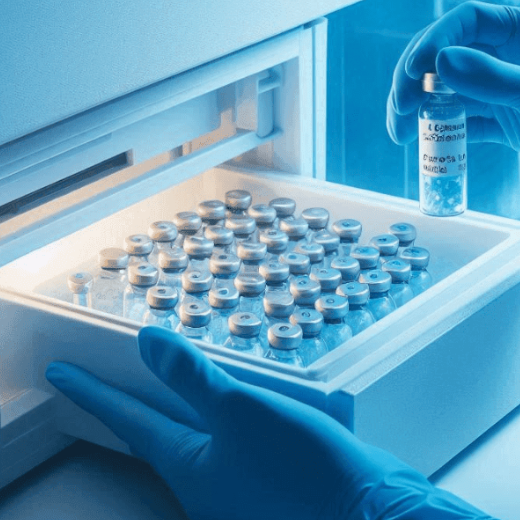
Proper Storage of Research Peptides
Even high-quality research peptides require proper storage to maintain integrity.
Best practices include:
- Following supplier storage recommendations
- Protecting peptides from moisture exposure
- Maintaining appropriate temperatures
- Avoiding repeated freeze-thaw cycles
- Keeping detailed inventory records
Proper handling helps preserve product quality throughout the research process.
The Future of Research Peptides
As scientific innovation continues to advance, research peptides will likely play an increasingly important role in biotechnology and molecular research. Improvements in peptide synthesis, analytical testing, and quality assurance procedures continue to enhance reliability and accessibility for research laboratories worldwide.
Researchers are placing greater emphasis on transparency, third-party testing, and verified purity standards when selecting suppliers. This shift reflects the growing importance of reproducibility and data integrity across scientific disciplines.
Conclusion
Research peptides are valuable tools that support a wide range of scientific investigations. However, achieving reliable results requires more than simply purchasing a peptide product. Researchers must carefully evaluate purity, testing procedures, supplier transparency, and storage practices to ensure consistent outcomes.
By choosing high-quality research peptides from trusted suppliers and following proper handling procedures, laboratories can strengthen the quality of their research and improve confidence in their findings.
Frequently Asked Questions
What are research peptides used for?
Research peptides are used in laboratory studies involving biological pathways, cellular interactions, molecular functions, and other scientific investigations.
Why is peptide purity important?
Higher purity helps reduce experimental variability and improves confidence in research results.
What is a Certificate of Analysis?
A Certificate of Analysis is a document that provides testing data, purity information, batch details, and verification results for a peptide product.
How can researchers verify peptide quality?
Researchers can review third-party testing results, Certificates of Analysis, and supplier quality control procedures before purchasing.
